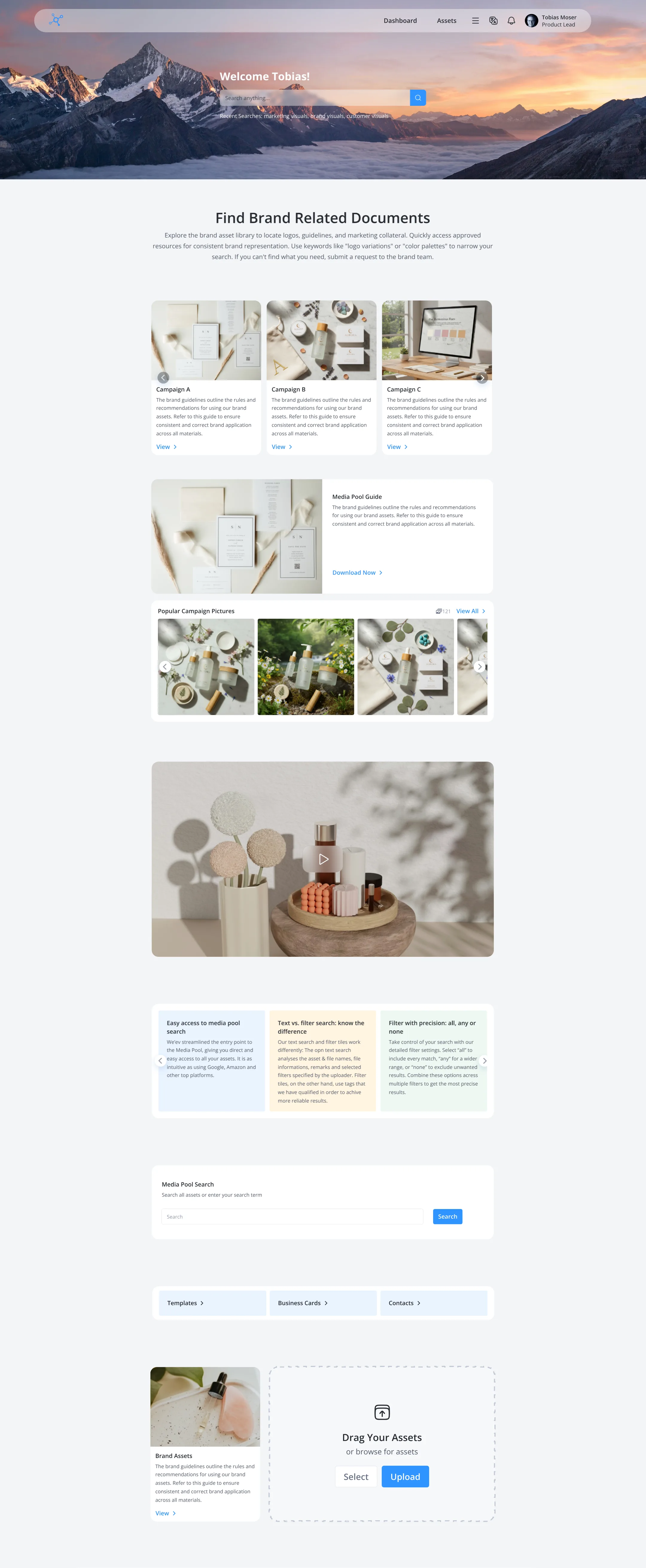
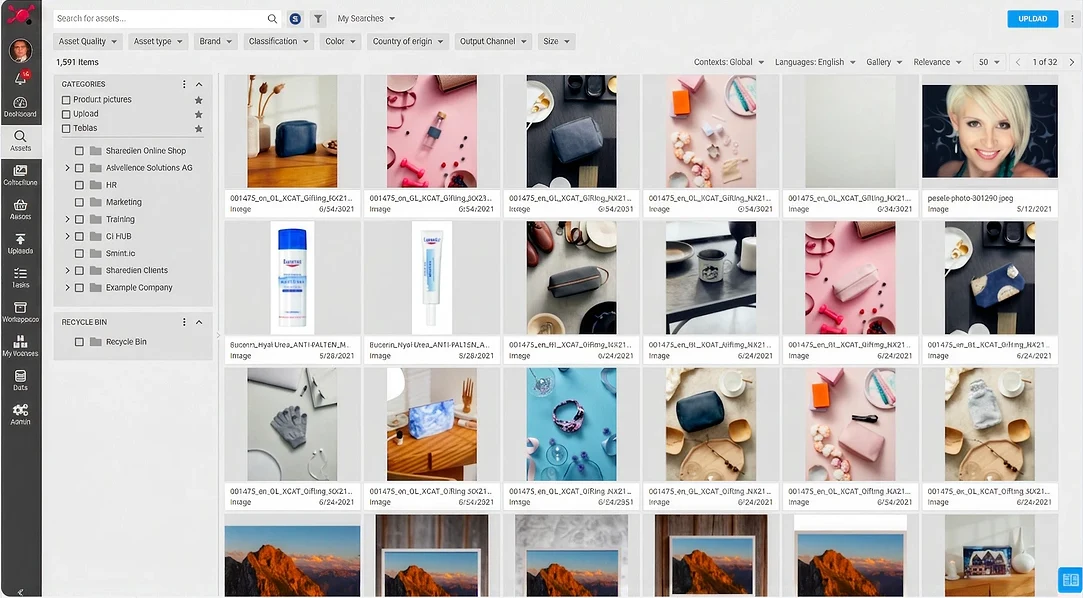
Sharedien’s product was built on Kendo, a component framework. Their design system, such as it was, lived inside it. That meant the system was only legible to the people who could read the code, and every design decision arrived at engineering as an argument about what the framework would allow.
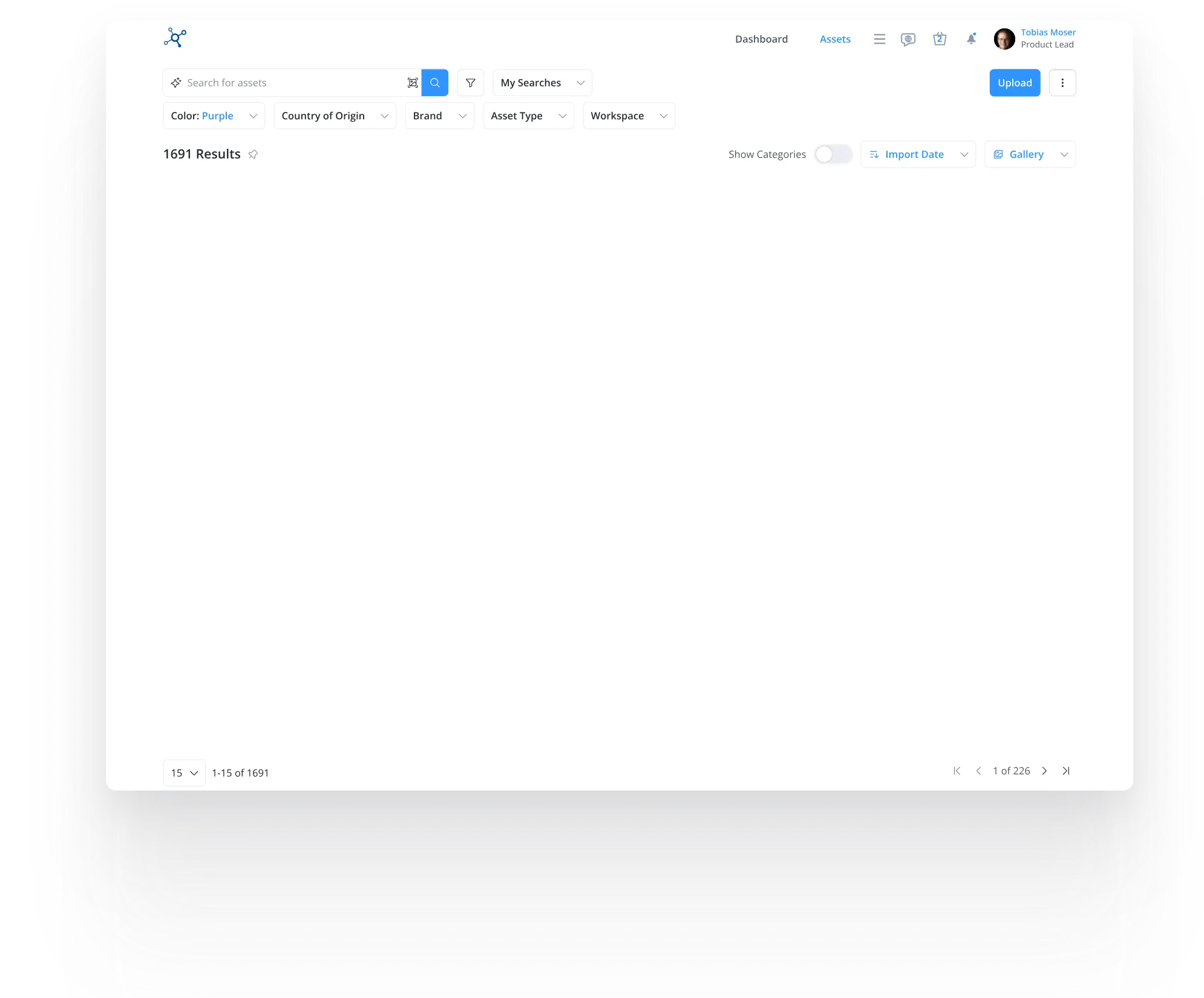
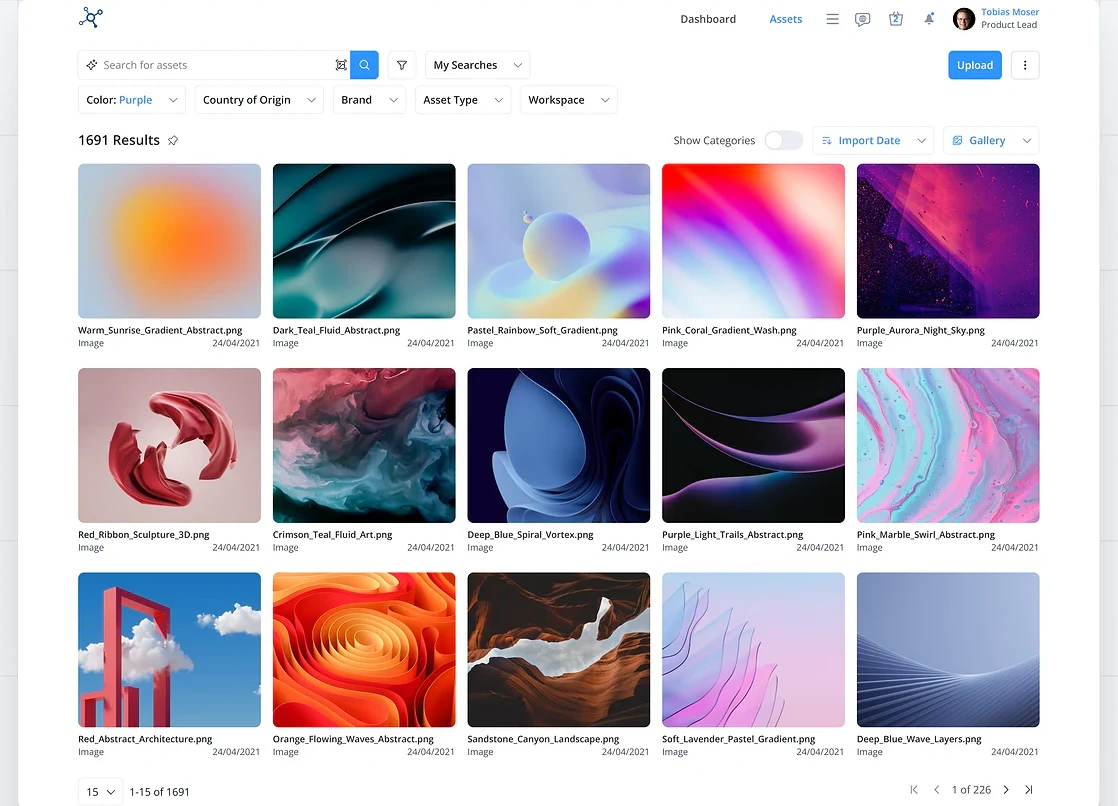
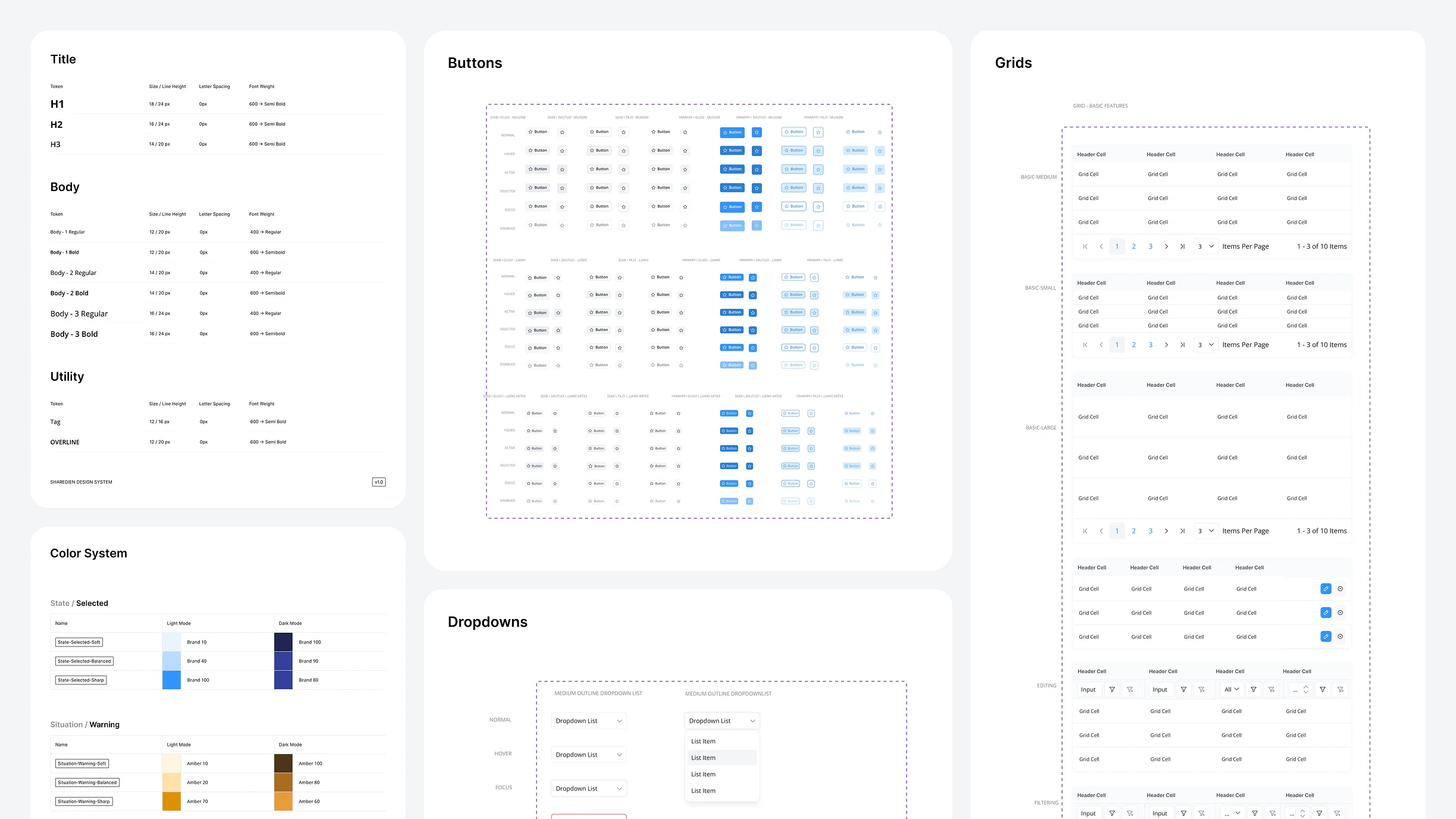
We rebuilt it in Figma. All of it, branded: buttons, inputs, grids, data tables, the full component set, mapped to what their framework could actually render.
This is the least glamorous work in the whole engagement and it is the reason everything after it was possible. A design system is not a style guide. It is the thing that stops each new screen from being a fresh negotiation between design and engineering.
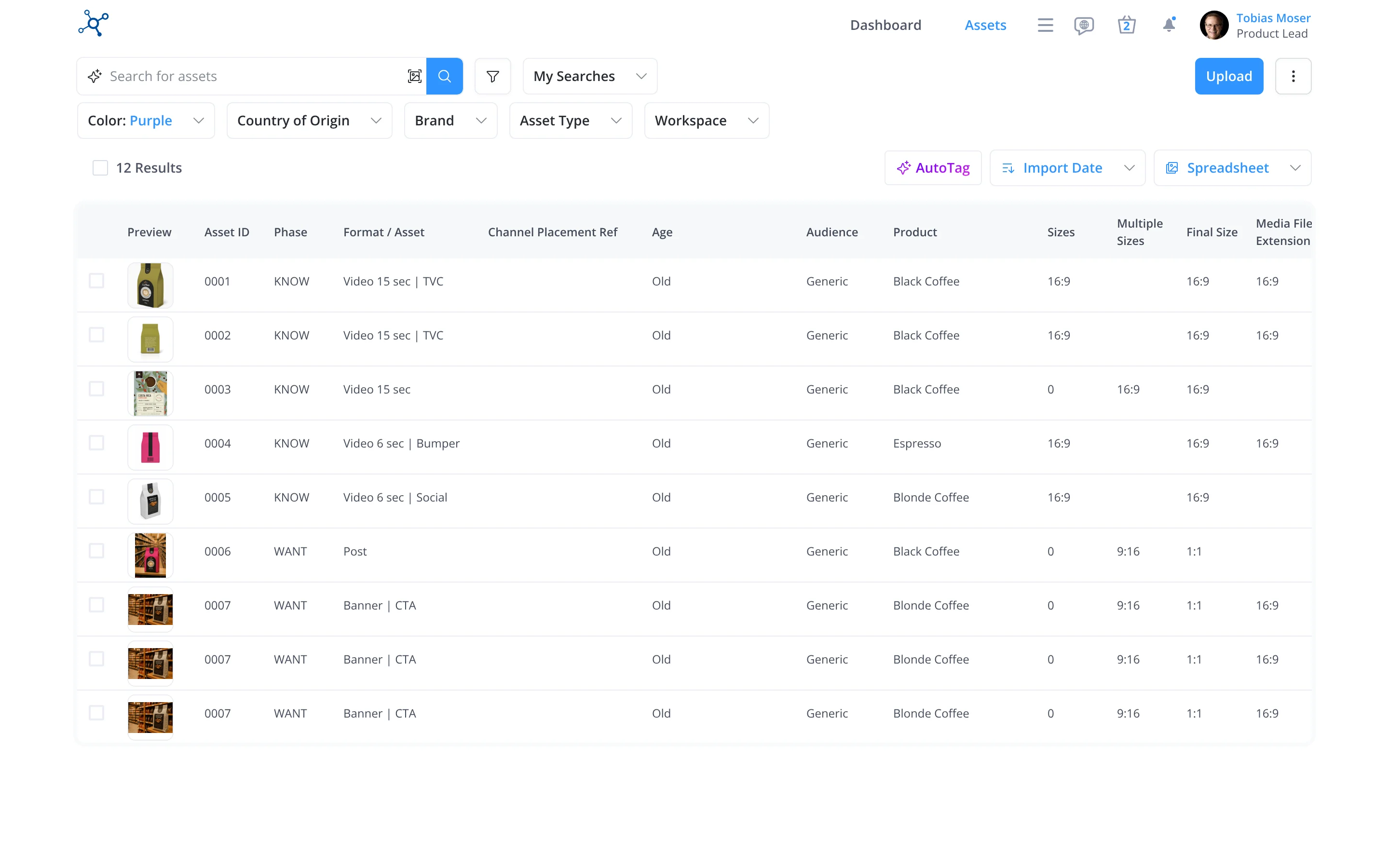
Today every new design and every redesign is assembled from those Figma components, and engineers pick the work up and build it with the matching pre-made components on their side. The handoff stopped being a translation. Design does not hand over a picture of a button for someone to rebuild. Both teams reach for the same component, and it already exists in both places.